

Older homes possess a unique charm and architectural character that modern constructions often struggle to replicate. However, maintaining consistent warmth within these historic structures presents a distinct set of challenges for the contemporary homeowner. Drafty windows, settled insulation, and aging mechanical systems often work together to create uncomfortable cold spots during the winter. Achieving modern comfort in a vintage property requires a thoughtful approach to heat management.
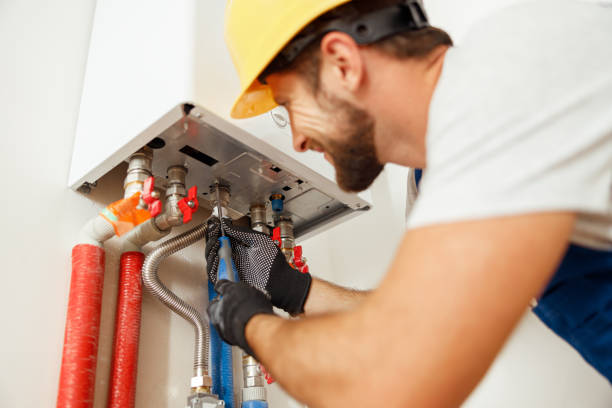
Upgrading your climate control strategy starts with identifying the most efficient ways to modernize your existing infrastructure. Coordinating a professional heating service visit is the first step toward evaluating the health of your furnace or boiler. Certified technicians can identify where your system is losing energy and suggest modern interventions that respect the integrity of your home. This proactive care ensures your living spaces remain cozy.
Challenges of Heating Historic Architecture
Many older residences were built before the invention of modern central air, meaning their layouts do not always support traditional ductwork. Thick plaster walls and original hardwood flooring make installing large vents a difficult task without altering the home’s aesthetic. Furthermore, original building materials often allow for significant heat transfer, meaning your expensive warm air escapes through the attic and crawlspaces much faster than intended.
Relying on an outdated gravity furnace or an inefficient boiler can lead to astronomical utility bills and uneven temperatures across different floors. Scheduling a routine heating service allows experts to calibrate your equipment for peak performance while checking for dangerous safety issues like cracked heat exchangers. Modernizing your heating equipment does not mean you have to sacrifice the classic feel of your property; it simply improves the reliability.
Smart Solutions for Non-Duct Homes
If your older home lacks the space for traditional metal ducts, you are not limited to noisy window units or portable space heaters. Ductless mini-split systems offer a revolutionary way to provide targeted warmth to specific rooms without major renovations. These systems use small refrigerant lines that can be easily hidden behind molding, allowing you to preserve your original plaster walls while enjoying whisper-quiet heat.
Another excellent option for vintage properties is the installation of high-velocity heating systems. These units use flexible, small-diameter tubes that can be snaked through floor joists and wall cavities with minimal disruption. Because they rely on aspiration rather than simple air dumping, they provide a much more even temperature distribution, eliminating the drafty feeling often associated with older, poorly ventilated homes during the coldest winter months.
- Ductless Mini-Splits: Perfect for room additions or finished attics where extending traditional ductwork is physically impossible or too expensive.
- High-Velocity Systems: Use small, inconspicuous vents that blend seamlessly into historic ceilings and walls while providing powerful airflow.
- Modern Boilers: New condensing boilers are significantly smaller and more efficient than the “iron giants” found in many older basements.
- Radiant Floor Heating: Can be installed under new flooring during a kitchen or bathroom update to provide luxurious, consistent warmth.
- Smart Thermostats: Even old systems can benefit from Wi-Fi-enabled controls that optimize heating cycles based on your daily occupancy.
The Importance of the Building Envelope
No heating system can perform effectively if the home itself is leaking air like a sieve. In older properties, the building envelope often has numerous small breaches around window sashes, door frames, and electrical outlets. Addressing these gaps is a critical component of any heating strategy. Adding modern weatherstripping and using high-quality caulk can significantly reduce the workload on your furnace, extending its operational lifespan.
Upgrading attic insulation is another high-impact move for older homeowners. Heat naturally rises, and in many historic houses, it passes right through the roof due to degraded or insufficient insulation. By adding blown-in cellulose or fiberglass batts, you create a thermal barrier that keeps the warmth downstairs where you need it. This synergy between a tight envelope and efficient machinery is the foundation of a sustainable home.
Benefits of Routine Maintenance for Aging Units
Older mechanical systems require more frequent attention than their modern counterparts to remain safe and efficient. Small issues like a worn belt or a dusty burner can quickly escalate into a total system failure during a blizzard. Consistent care prevents these emergencies and ensures that your home remains a safe sanctuary for your family throughout the entire heating season.
- Improved Fuel Efficiency: Cleaning burners and adjusting pilot lights ensures your system uses the least amount of gas or oil.
- Carbon Monoxide Safety: Routine inspections check the integrity of the flue and heat exchanger to prevent dangerous gas leaks.
- Reduced Noise Levels: Lubricating motors and tightening loose panels eliminates the groans and clanking sounds common in older furnaces.
- Extended System Life: Catching minor part wear early prevents the mechanical stress that leads to a premature and expensive replacement.
- Better Air Quality: Cleaning the internal components prevents years of accumulated dust from being blown into your living areas.
Balancing Preservation with Performance
The goal of modernizing an older home is to achieve a balance between historical preservation and daily functional performance. By choosing compact, high-efficiency equipment and sealing thermal leaks, you can enjoy the best of both worlds. Working with technicians who understand the specific needs of vintage architecture ensures that your upgrades are installed correctly and function in harmony with your home’s original design.
Conclusion
Modernizing the heating services for older homes involves a combination of specialized equipment, building envelope sealing, and consistent professional care. Utilizing ductless technology or high-velocity systems allows you to enjoy consistent warmth without damaging historic walls. Prioritizing routine heating service ensures your aging equipment operates safely while minimizing monthly utility expenses. By addressing insulation gaps and choosing smart, localized controls, you protect your architectural investment and enhance your home comfort. Taking these proactive steps ensures your vintage property remains a warm and inviting haven for generations to come.