

Corrosion is one of the biggest threats to the appearance and performance of any watercraft. Constant exposure to water, salt, moisture, and changing weather conditions can gradually weaken metal parts and damage exterior surfaces. If left untreated, corrosion can lead to costly repairs and reduce the lifespan of your vessel. Whether you own a jet ski, personal watercraft, or boat, taking preventive measures is essential for long-term protection.
With proper care and maintenance, you can preserve your watercraft’s structure and keep it looking new for years. Below are five practical tips to help prevent corrosion and maintain your watercraft’s body.
1. Rinse Your Watercraft After Every Use
One of the simplest yet most effective ways to prevent corrosion is rinsing your watercraft after each ride. Saltwater, dirt, and minerals left on the surface can accelerate rust and oxidation. Use fresh water to thoroughly wash the hull, engine area, and metal components.
Pay special attention to joints, bolts, and hidden crevices where residue tends to accumulate. Regular rinsing removes harmful deposits and slows down the corrosion process. Making this a habit significantly improves long-term durability.
2. Protect Your Watercraft with Sea Doo PWC Covers
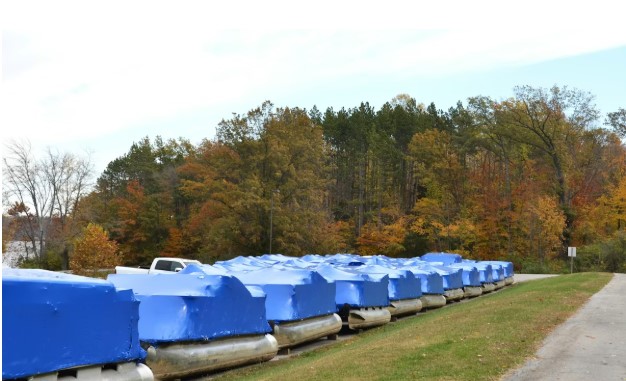
Using high-quality sea doo pwc covers is an excellent way to shield your watercraft from moisture, UV rays, and environmental damage. These covers help prevent rain, snow, and dust from settling on the surface, which can lead to rust and fading. Properly fitted covers also reduce exposure to salty air in coastal areas.
By limiting contact with harmful elements, protective covers preserve paint finishes and metal parts. Investing in reliable covers is a simple yet powerful corrosion-prevention strategy.
3. Apply Protective Wax and Anti-Corrosion Coatings
Applying marine-grade wax and protective coatings creates a barrier between your watercraft and damaging elements. Wax protects painted and fiberglass surfaces from moisture and oxidation. Anti-corrosion sprays and treatments can be applied to metal components such as brackets, screws, and hinges.
These coatings prevent rust formation and improve resistance to harsh conditions. Regular application keeps your watercraft looking polished while enhancing surface protection.
4. Store Your Watercraft in a Dry and Sheltered Area
Proper storage plays a major role in preventing corrosion. Leaving your watercraft exposed to rain, humidity, and extreme temperatures increases the risk of rust and surface damage. Whenever possible, store it in a covered garage, shed, or indoor facility. If outdoor storage is unavoidable, choose a well-drained and shaded location.
Elevating the watercraft slightly also prevents water from pooling underneath. Dry and secure storage significantly reduces long-term corrosion risks.
5. Perform Regular Inspections and Maintenance
Routine inspections help identify early signs of corrosion before serious damage occurs. Check metal parts, fittings, and joints for rust, discoloration, or peeling paint. Address small problem areas immediately using cleaning solutions and rust removers. Lubricate moving parts and tighten loose components to prevent moisture buildup.
Scheduling regular maintenance ensures that potential issues are resolved quickly. Consistent care extends the life of your watercraft and maintains its performance.
Conclusion
Preventing corrosion is essential for protecting your watercraft’s appearance, safety, and value. By rinsing after every use, using pwc covers, applying protective coatings, storing your vessel properly, and performing regular maintenance, you can significantly reduce the risk of damage. These simple yet effective practices help preserve both functionality and visual appeal.