
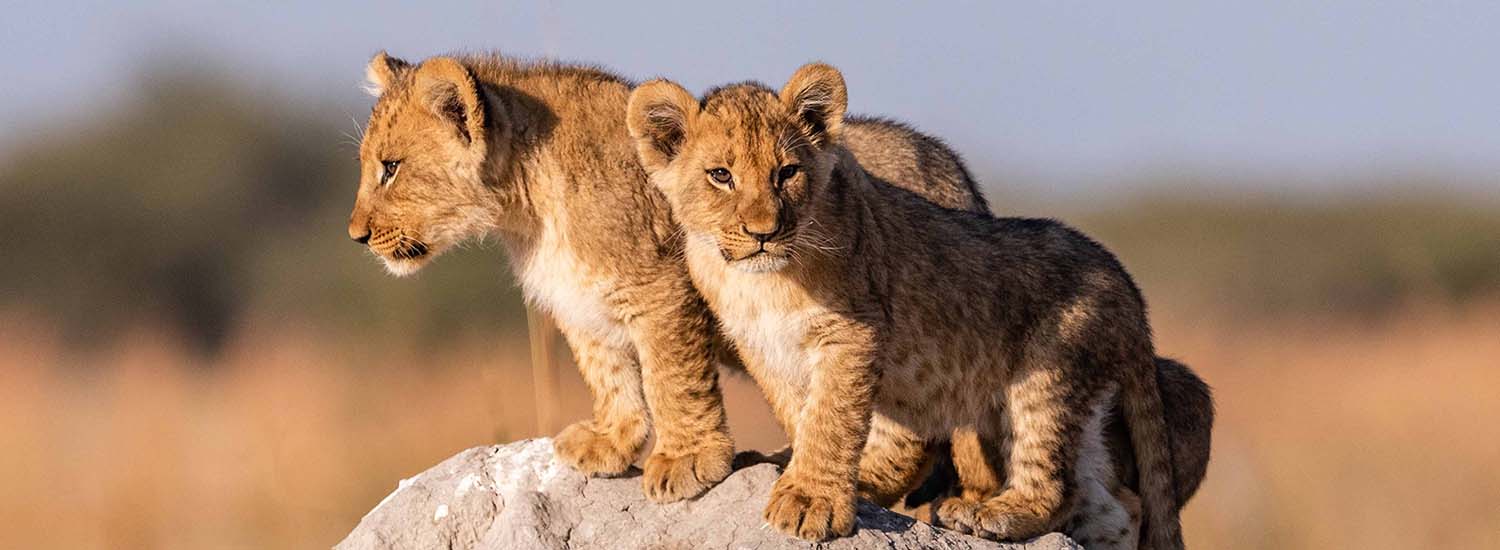

A safari to Kenya is widely regarded as one of the most authentic and rewarding wildlife experiences in the world. As the birthplace of the classic African safari, Kenya offers dramatic landscapes, exceptional biodiversity, and a deep cultural heritage that together create an unforgettable journey. From vast savannahs teeming with wildlife to snow-capped mountains and pristine coastlines, Kenya presents a rare combination of adventure, luxury, and natural beauty.
Iconic Safari Destinations
No discussion of Kenya safaris is complete without mentioning the legendary Maasai Mara National Reserve. Located in southwestern Kenya, the Maasai Mara is famous for its high density of big cats and for hosting part of the Great Migration, where millions of wildebeest, zebras, and gazelles move between Tanzania and Kenya in search of fresh grazing. Game drives here often provide sightings of lions, leopards, cheetahs, elephants, and buffalo within a single day.
Adjacent to Tanzania’s Serengeti ecosystem, the Mara offers sweeping golden plains dotted with acacia trees, creating the classic safari to Kenya landscape. Visitors can also experience hot air balloon safaris at sunrise, providing breathtaking aerial views of wildlife roaming the savannah below.
Another iconic destination is Amboseli National Park, renowned for its large elephant herds and spectacular views of Mount Kilimanjaro rising across the border in Tanzania. Amboseli’s open terrain and sparse vegetation make wildlife viewing particularly rewarding, especially for photographers seeking close encounters with elephants against dramatic backdrops.
For those interested in more diverse ecosystems, Lake Nakuru National Park is known for its rhino conservation efforts and vibrant birdlife, including flamingos that often line the lake’s shores. Meanwhile, Samburu National Reserve in northern Kenya offers sightings of rare species such as the Grevy’s zebra, reticulated giraffe, and Somali ostrich—animals less commonly seen in southern parks.
Wildlife and Biodiversity
Kenya is home to the “Big Five”: lion, leopard, elephant, buffalo, and rhinoceros. However, the country’s biodiversity extends far beyond these iconic species. Visitors may encounter cheetahs sprinting across open plains, hippos wallowing in rivers, crocodiles basking on riverbanks, and over 1,000 bird species inhabiting forests, wetlands, and savannahs.
The Great Migration, typically occurring between July and October in the Maasai Mara, is considered one of the greatest wildlife spectacles on Earth. Dramatic river crossings along the Mara River, where wildebeest face strong currents and lurking crocodiles, provide powerful displays of survival and instinct in the wild.
Kenya’s conservation model combines government-managed parks, private conservancies, and community-led initiatives. Many lodges and safari to Kenya operators actively support conservation projects and local communities, ensuring that tourism contributes to sustainable development and wildlife protection.
Types of Safari Experiences
Kenya offers a wide range of safari experiences to suit different preferences and budgets. Traditional game drives in 4×4 vehicles with professional guides remain the most popular option. These drives typically take place early in the morning and late in the afternoon, when wildlife is most active.
Walking safaris, offered in certain conservancies, allow guests to explore the bush on foot under the guidance of trained rangers. This experience provides a deeper understanding of tracking, plant life, and smaller ecosystems often overlooked during vehicle safaris.
Luxury tented camps combine the thrill of being close to nature with modern comforts such as en-suite bathrooms, gourmet dining, and personalized service. For travelers seeking exclusivity, private conservancies adjacent to the Maasai Mara provide limited vehicle access and off-road driving, enhancing wildlife encounters.
Cultural Encounters
A safari in Kenya is not solely about wildlife; it is also an opportunity to engage with vibrant local cultures. The Maasai people, known for their distinctive red attire and rich traditions, inhabit regions surrounding the Maasai Mara and Amboseli. Cultural visits to Maasai villages offer insights into pastoral lifestyles, traditional ceremonies, and community-based conservation.
Kenya is home to over 40 ethnic groups, each with unique languages, customs, and heritage. Integrating cultural experiences into a safari itinerary enhances the overall journey, providing a more holistic understanding of the country.
Best Time to Visit
Kenya is a year-round safari destination, but the best time for wildlife viewing is during the dry seasons: from June to October and from January to February. During these months, vegetation is thinner, and animals congregate around water sources, making them easier to spot.
The Great Migration typically reaches the Maasai Mara between July and October, attracting travelers from around the world. However, the green season (March to May and November) offers fewer crowds, lush landscapes, and excellent birdwatching opportunities.
Practical Considerations
Most international visitors arrive via Nairobi, Kenya’s capital city, which serves as the main gateway to safari destinations. From Nairobi, travelers can access parks by domestic flights or road transfers.
Health precautions, including recommended vaccinations and travel insurance, should be arranged prior to departure. Visitors are encouraged to pack lightweight clothing in neutral colors, sun protection, and binoculars for optimal wildlife viewing.
Professional safari guides in Kenya are highly trained and knowledgeable about animal behavior, ecology, and conservation. Their expertise significantly enhances the safari experience, ensuring both safety and educational value.
Conclusion
A safari in Kenya represents more than a vacation; it is an immersive journey into one of the planet’s most extraordinary natural environments. Whether witnessing the thunder of migrating herds in the Maasai Mara, photographing elephants beneath Mount Kilimanjaro, or engaging with local communities, travelers leave Kenya with lasting memories and a profound appreciation for Africa’s wildlife heritage.
With its world-class reserves, diverse ecosystems, and strong conservation ethos, Kenya continues to set the standard for safari experiences globally. For those seeking adventure, authenticity, and natural beauty, a Kenyan safari remains an unparalleled destination.