
. The most commonly used methods were FA/PCA and RRR (62.7 and 30.5% of studies, respectively), with a wide range in application and reporting.)
Nutrition education can promote changes in dietary habits, food patterns and nutritional status. It teaches people about the health benefits of foods, as well as how to prepare them safely and effectively.
Successful nutrition education is a holistic process that aims to change food and nutrition behaviours through multiple channels, tools and materials. It also fosters critical thinking, attitudinal change and practical skills.
Nutrition Information
Nutrition information on food packaging and on labels can be confusing. Whether you’re reading the label on the front of a packet of chips or looking at the nutritional facts on the back of a pack of fruit, you’ll need to read the whole thing carefully to ensure that you’re getting the right amount of energy (calories), fat, saturated fat, sugars, salt and other nutrients.
A new study from Australia found that people who regularly look at the Nutrition Facts on food labels are more likely to eat healthy foods. They are also more likely to eat vegetables and less fried food.
The study also showed that frequent use of the Nutrition Facts panel was related to sociodemographic and weight-related factors such as education, income, physical activity, specific weight goals and living with a significant other or children. This knowledge can help to encourage the use of labels and improve dietary intake, especially in young adults.
Food Choices
Food choices are influenced by many factors, including cultural, psychological, social, and economic ones. These can include how you grow up, where you live, what the media says about particular foods, and your family’s traditions.
A variety of nutrition education actions have been developed and implemented around the world to influence consumer awareness, attitudes, and skills about healthy eating. These interventions can include food exchange approaches, health-related recipes and educational resources.
Effective nutrition education is about making information digestible and usable in everyday settings and creating lasting behavior changes. This is often done by health professionals in clinics, community-based settings, and long-term healthcare facilities.
Physical Activity
Physical activity, any form of bodily movement that requires energy expenditure (sedentary behavior does not qualify as physical activity). It includes exercise and activities that involve motion as part of playing, working, active transportation or household chores.
Regularly performing physical activity can help you improve your health and prevent many chronic diseases, including diabetes and heart disease. It can also boost your mood, sleep quality and energy.
It is important to have a healthy diet and physical activity habits. This will help you live longer and stay healthier.
Nutrition education uses a variety of media to convey messages and information. This includes posters, flyers, pamphlets, radio and television programs.
Dietary Patterns
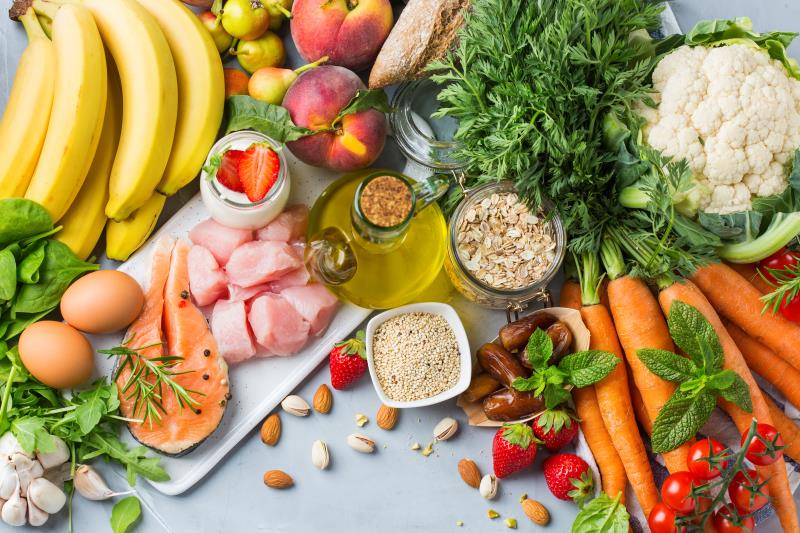
A healthy dietary pattern can improve your health, lower your risk of certain diseases, and support a healthy body weight. It consists of nutrient-dense foods and beverages in recommended amounts and within calorie limits.
According to the Dietary Guidelines for Americans, a healthy dietary pattern includes foods and beverages that are nutrient-dense and are low in added sugars and saturated fat. It can include a variety of fruits, vegetables, whole grains, fat-free or low-fat dairy products, and lean protein.
The Dietary Guidelines also provide food patterns to help people follow the recommendations. These patterns identify daily amounts of foods, in nutrient-dense forms, from five major food groups and their subgroups.
Data driven dietary pattern assessment methods include index-based methods, food-as-component analysis (FA/PCA), reduced rank regression (RRR) and compositional analysis (CA). The most commonly used methods were FA/PCA and RRR (62.7 and 30.5% of studies, respectively), with a wide range in application and reporting.