


Timing your Kilimanjaro expedition strategically can mean the difference between triumphant summit photos and disappointing retreat. While Mount Kilimanjaro welcomes climbers throughout the year, understanding the intricate seasonal patterns, weather dynamics, and crowd fluctuations enables you to select the best time to climb Kilimanjaro aligned with your personal priorities, physical capabilities, and logistical constraints. This comprehensive guide analyzes Kilimanjaro’s seasonal characteristics, helping you make informed decisions that maximize your summit probability while optimizing the overall climbing experience across weather, scenery, costs, and trail conditions.
Kilimanjaro’s Seasonal Framework: The Equatorial Exception
Mount Kilimanjaro’s location approximately three degrees below the equator creates weather patterns fundamentally different from mountains in temperate or polar regions. Rather than experiencing four distinct seasons, Kilimanjaro follows a bi-modal rainfall pattern producing two wet seasons and two dry seasons annually, driven primarily by the migration of the Intertropical Convergence Zone (ITCZ) and Indian Ocean monsoon systems.
Understanding this pattern is crucial for identifying the best time to climb Kilimanjaro. The mountain’s massive elevation range—from 800 meters at the base to 5,895 meters at Uhuru Peak—creates dramatic microclimates. Lower slopes experience tropical conditions with consistent warmth and humidity, while the summit zone presents permanent glaciers and arctic temperatures despite equatorial latitude. This vertical climate compression means weather varies not just seasonally but dramatically with altitude.
Prevailing winds approaching from the southeast carry moisture from the Indian Ocean, depositing heavy precipitation on southern and eastern slopes while creating a pronounced rain shadow on northern and western flanks. This directional variation affects different routes distinctly, making route-timing combinations strategic considerations rather than simple date selection.
The Primary Dry Season: June Through October Analysis
The extended dry season spanning June through October represents what most climbers and operators consider the best time to climb Kilimanjaro, accounting for roughly 50-60% of annual summit attempts. This five-month window offers the year’s most stable, predictable conditions, though with important nuances distinguishing early, middle, and late periods.
Early Dry Season: June June marks the transition from wet to dry conditions as the long rains taper off. Early June occasionally experiences lingering precipitation, particularly on southern routes, though frequency and intensity decrease rapidly. Mid-to-late June achieves full dry season characteristics with clear skies dominating. This transitional timing offers advantages: trails have dried sufficiently for comfortable trekking, vegetation remains lush and green from recent rains creating spectacular scenery, crowds haven’t reached peak density, and pricing remains moderate before high-season premiums take effect.
Success rates during June typically reach 75-80% overall, climbing toward 85% on longer routes. The combination of improving conditions with moderate crowds makes June an often-overlooked gem for those seeking the best time to climb Kilimanjaro without peak season congestion.
Peak Dry Season: July-August These two months represent Kilimanjaro’s busiest, most popular, and most expensive period. Weather stability reaches annual maximums with minimal precipitation, consistently clear skies, and highly predictable patterns allowing confident planning. However, temperatures drop to annual lows with summit conditions regularly reaching -20 to -25°C and wind chill potentially hitting -30°C. Robust cold-weather gear becomes absolutely essential.
Crowds peak dramatically during July-August as Northern Hemisphere summer vacations, European holiday periods, and optimal weather converge. Popular routes like Machame can feel congested with camps operating at full capacity, toilet queues forming, and trails busy throughout the day. This crowding doesn’t necessarily diminish the achievement but does reduce wilderness atmosphere and solitude.
Despite cold and crowds, success rates reach 80-85% through weather predictability and trail infrastructure supporting large volumes. For those bound by school holidays or inflexible vacation schedules, July-August remains viable—just book 6-8 months ahead, invest in quality cold-weather gear, and consider less-popular routes like Rongai or Northern Circuit escaping worst congestion.
Late Dry Season: September-October Many experienced climbers and guides identify late September through October as the sweet spot—the true best time to climb Kilimanjaro balancing all factors. Weather remains excellent with dry conditions continuing from mid-year, but temperatures begin warming as the sun migrates south toward summer solstice. Summit temperatures, while still extreme, average 3-5°C warmer than July-August peaks.
Critically, crowds diminish substantially as European schools resume and summer vacations end. By mid-September, traffic levels drop noticeably; October sees perhaps 30-40% fewer climbers than July-August while maintaining nearly identical weather quality. This combination—excellent conditions with moderate crowds—creates optimal experiences.
Pricing moderates slightly as operators reduce high-season premiums, though discounts remain modest. September-October achieves the same 80-85% success rates as peak season but with better campsite availability, shorter toilet queues, more personalized guide attention, and enhanced wilderness atmosphere. For flexible travelers, this window often represents the best time to climb Kilimanjaro overall.
The Secondary Dry Season: Late December Through March
Kilimanjaro’s second dry season running from late December through March offers excellent conditions distinct in character from the mid-year window. This period appeals to different traveler profiles and presents unique advantages making it potentially the best time to climb Kilimanjaro for specific priorities.
Holiday Period: Late December Through Early January The weeks surrounding New Year represent a compressed peak season with crowds rivaling July-August and premium pricing reaching annual highs. Many climbers choose this timing to start the new year with transformative achievement or capitalize on limited holiday vacation windows. Weather typically excels with clear skies and stable conditions, though occasional storms can impact this transitional period.
Success rates hover around 75-80%, slightly below mid-year peaks due to transitional weather unpredictability. If climbing during holidays, book 8-10 months ahead—this brief window fills quickly across all operators.
Prime Warm Season: Late January Through February Following the holiday surge, late January through February emerges as an exceptional period and arguably the best time to climb Kilimanjaro for those prioritizing comfortable conditions. Weather stabilizes fully as the short rains end and reliable dry patterns establish. The distinguishing characteristic is warmth—temperatures run 3-7°C higher than June-October at all elevations.
Trekking days through rainforest and moorland zones prove more comfortable without the chill common during mid-year. Critically, summit night temperatures, while still extreme, average -10 to -15°C versus -20 to -25°C in July-August. This 5-10°C difference significantly impacts hypothermia risk, comfort levels, and mental fortitude during the grueling summit push. First-time high-altitude climbers particularly benefit from warmer conditions reducing environmental stressors.
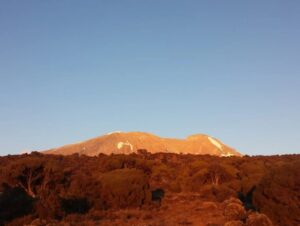
This period occasionally brings dramatic snowfall transforming the mountain into a pristine winter wonderland perfect for spectacular photography. Fresh snow covering glaciers and crater rim creates iconic images impossible during drier mid-year months. Wildflowers bloom in lower zones, birds are active, and overall ecological vitality peaks.
Crowds remain moderate—busier than shoulder seasons but substantially lighter than July-August or holiday periods. Success rates consistently reach 80-85% through favorable weather and comfortable temperatures. February particularly stands out as potentially underrated, offering nearly identical conditions to more popular September-October but with even fewer climbers.
Late Warm Season: March March represents transitional timing with early-to-mid March extending favorable conditions while late March becomes increasingly uncertain as long rains approach. Weather predictability decreases through the month, though some years see excellent conditions persisting through month’s end.
Crowds thin substantially as March progresses, and operators begin offering early-season discounts. Success rates start at 75-80% early month, declining toward 65-70% late month as rains approach. For opportunistic, flexible travelers monitoring long-range forecasts, March can deliver excellent value—potentially the best time to climb Kilimanjaro economically while maintaining reasonable success probability.
The Wet Seasons: Strategic Opportunities for Prepared Climbers
While conventional wisdom identifies dry seasons as the best time to climb Kilimanjaro, the wet seasons—April through May (long rains) and November (short rains)—present compelling opportunities for specific climber profiles willing to accept increased challenge for substantial advantages.
Long Rains: April-May This period experiences Kilimanjaro’s heaviest, most consistent precipitation with afternoon thunderstorms common, trails muddy, and visibility often limited by clouds. Summit conditions can prove particularly challenging with increased snowfall, reduced visibility, and higher winds. These factors combine to reduce success rates to 50-60% overall, though proper preparation and longer routes improve odds substantially.
However, April-May delivers unmatched advantages. Operator discounts reach 20-40% as demand plummets—suddenly Kilimanjaro becomes accessible to budget-conscious adventurers previously priced out. Trail and camp solitude proves remarkable; you may go days seeing no other climbing groups, creating authentic wilderness experiences impossible during peak seasons. The rainforest explodes with life—lush vegetation, cascading waterfalls, active wildlife, and blooming flowers create stunning beauty.
Booking flexibility allows last-minute decisions impossible during peak periods. Rather than planning 6-8 months ahead, April-May trips can often be arranged 4-6 weeks out, perfect for spontaneous adventurers or those with unpredictable schedules.
Strategic route selection becomes crucial. Rongai, approaching from the drier northern slopes, experiences perhaps 40-50% less precipitation than southern routes, making it the optimal choice for rainy season attempts. Extending trip duration by 1-2 days provides schedule flexibility accommodating weather delays without compromising acclimatization.
Quality waterproof gear proves essential: reliable rain jacket and pants with taped seams, waterproof pack cover, dry bags for all clothing and electronics, waterproof gloves, and extra clothing allowing daily rotation while wet items dry. Mental preparation matters equally—embrace discomfort as temporary and accept mud, rain, and limited views as trade-offs for solitude and savings.
For experienced climbers comfortable with challenging conditions, budget travelers prioritizing accessibility, and solitude-seeking adventurers, April-May represents a viable and potentially the best time to climb Kilimanjaro given personal priorities.
Short Rains: November November presents Kilimanjaro’s most unpredictable period with conditions varying dramatically year-to-year and even week-to-week within the month. The short rains typically begin mid-to-late November, though exact timing and intensity fluctuate significantly.
Early November often extends October’s excellent conditions, delivering dry weather with warming temperatures and diminishing crowds—a potentially ideal combination. By late November, precipitation intensifies making conditions challenging though still more manageable than April-May’s sustained heavy rains.
This unpredictability creates opportunity for flexible, opportunistic climbers. Those able to monitor 2-3 week forecasts and book relatively last-minute can identify favorable weather windows, securing excellent conditions with minimal crowds at moderate pricing. However, rigid schedules face significant risk booking November far in advance without weather certainty.
Success rates average 65-75% for November overall, though early month approaches 75-80% while late month drops toward 60-65%. Route selection again matters with Rongai offering advantages during wetter periods.
Climate Change Impacts on Seasonal Patterns
An emerging consideration when identifying the best time to climb Kilimanjaro involves climate change’s accelerating impacts on traditional weather patterns. Kilimanjaro’s iconic glaciers have retreated approximately 85% since 1912, with complete disappearance projected within 10-20 years. Temperature increases and precipitation pattern changes gradually affect seasonal predictability.
Some guides and long-time observers report traditional rainy seasons beginning later and ending earlier, effectively extending optimal climbing windows. Conversely, occasional extreme weather events—severe storms, unusual cold snaps, or unexpected warm periods—occur with increasing frequency, adding variability to historically reliable seasons.
These changes don’t fundamentally alter which periods represent the best time to climb Kilimanjaro, but they do increase uncertainty requiring flexibility and contingency planning regardless of chosen timing.
Personalized Timing Strategy: Matching Seasons to Priorities
Determining your optimal timing requires honestly assessing personal priorities, constraints, and tolerance for various trade-offs. Consider these decision frameworks:
If Weather Predictability is Paramount: June-October or January-February, accepting crowds and costs as necessary trade-offs for reliable conditions.
If Budget Concerns Dominate: April-May or November, accepting weather uncertainty and challenging conditions for 20-40% cost savings making Kilimanjaro accessible.
If Avoiding Crowds is Critical: Late September-October, February, early November, or accepting rainy season challenges for near-empty trails.
If Schedule Flexibility is Limited: July-August or December-January, acknowledging these periods accommodate most people’s vacation constraints despite representing less-than-optimal timing.
If Combining with Safari: June-October when Tanzania’s wildlife viewing peaks, despite higher costs and maximum crowds.
If Temperature Sensitivity is High: January-February for warmest conditions, particularly important for first-time high-altitude climbers concerned about extreme cold.
If Success Rate is Non-Negotiable: Late September-October or late January-February on longer routes (Lemosho, Northern Circuit), optimizing all success factors simultaneously.
The best time to climb Kilimanjaro ultimately reflects personal circumstances—no universal answer exists, only optimal matches between seasonal characteristics and individual priorities.
Conclusion
Identifying the best time to climb Kilimanjaro requires understanding the complex interplay between weather patterns, crowd dynamics, pricing structures, route characteristics, and personal circumstances. While late September through October and late January through February emerge as statistically optimal periods balancing multiple factors, every season offers distinct advantages for climbers with aligned priorities.
The traditional peak periods—July-August and December-January—deliver reliable weather and infrastructure supporting large volumes but sacrifice solitude and economy. The underrated gems—June and February—provide excellent conditions with moderate crowds representing perhaps the true sweet spots. The wet seasons—April-May and November—challenge with precipitation but reward with dramatic savings, remarkable solitude, and unique beauty.
What matters most isn’t selecting the single “perfect” month but rather matching seasonal characteristics to your specific requirements. Budget-conscious climbers find April-May attractive despite challenges. Families with school-age children must work within July-August or December-January constraints. Photographers seek specific lighting and snow conditions regardless of crowds. Solitude-seekers accept weather risks for empty trails.
Successful Kilimanjaro climbers summit during every month because proper preparation, appropriate gear, mental resilience, and adequate acclimatization overcome seasonal disadvantages. The best time to climb Kilimanjaro is ultimately when you’re properly prepared, adequately trained, and committed to reaching the summit regardless of weather, crowds, or conditions encountered.
Choose your timing wisely based on honest self-assessment, prepare thoroughly for expected conditions, and trust that Kilimanjaro rewards determination regardless of season. The mountain’s magnificence transcends weather patterns—your summit photo will be equally proud whether captured in February sunshine or October clarity, and the achievement feels identical whether you shared camps with dozens or enjoyed solitary sunrises.
Key Takeaways
- September-October and January-February Represent Optimal Windows: These periods balance excellent weather (80-85% success rates) with moderate crowds and reasonable costs—ideal for most climbers
- July-August Delivers Maximum Predictability at Peak Pricing: Most stable weather but coldest temperatures (-20 to -25°C summit), maximum crowds, and highest costs—book 6-8 months ahead if choosing this period
- February Offers Underrated Value: Excellent conditions with 3-7°C warmer temperatures than mid-year, moderate crowds, and wildflower blooms—potentially the best time to climb Kilimanjaro for comfortable experiences
- April-May Provides 20-40% Cost Savings: Rainy season challenges reduce success to 50-60% but deliver dramatic discounts, remarkable solitude, and lush landscapes—viable for budget-conscious, experienced climbers
- November Presents High-Risk, High-Reward Opportunity: Extreme variability requires flexible, opportunistic planning; early November can be excellent, late November increasingly challenging
- Route Selection Affects Seasonal Viability: Rongai’s northern approach receives 40-50% less precipitation year-round, making it optimal for shoulder and rainy season attempts
- June is an Overlooked Gem: Transitional period combines improving conditions, moderate crowds, reasonable pricing, and lush scenery—potentially undervalued timing
- Temperature Variations Matter Significantly: 5-10°C difference between warm season (January-February) and cold season (July-August) substantially impacts hypothermia risk and comfort
- Climate Change Increases Unpredictability: Traditional patterns shift gradually; maintain flexibility and contingency planning regardless of chosen season
- Personal Priorities Should Drive Decision: No universally “best” time exists—successful timing matches seasonal characteristics to individual circumstances, constraints, and values
Frequently Asked Questions
When is Kilimanjaro least crowded?
April through May experiences the lightest traffic with near-empty trails as heavy rains deter most climbers. November sees moderate-low crowds varying by week. For dry season options, early June and February offer substantially fewer climbers than July-August peaks while maintaining excellent conditions. Late September through October provides good balance—still busy but 30-40% less crowded than peak months. On any given route, Northern Circuit and Rongai maintain the lowest traffic year-round. The combination of February timing on Northern Circuit or Rongai potentially offers the best balance of good weather with minimal crowds.
Which months have the highest Kilimanjaro success rates?
Late September through October and late January through February achieve the highest success rates at 80-85% overall, rising to 90-95% on longer routes like Lemosho and Northern Circuit. These periods combine optimal weather with comfortable temperatures and clear skies. July-August achieve similar 80-85% rates through predictable weather despite colder conditions. June and March see 75-80% success as transitional periods. November averages 65-75% with high variability. April-May dip to 50-60% as heavy rains create challenging conditions. Route length matters more than timing—even rainy season climbs succeed at 70%+ rates on 8-9 day itineraries.
Is it worth climbing Kilimanjaro in the rainy season?
For specific climber profiles, absolutely. Budget travelers gain access through 20-40% discounts making the climb financially feasible when dry season costs prove prohibitive. Experienced adventurers comfortable with challenging conditions enjoy remarkable solitude, lush landscapes, and authentic wilderness experiences impossible during crowded peak seasons. Photographers appreciate dramatic storm systems, cascading waterfalls, and vibrant greenery. The key is realistic expectations—accept lower success probability (50-60% versus 80-85%), invest in quality waterproof gear, choose longer routes providing schedule flexibility, select Rongai for reduced precipitation, and embrace discomfort as temporary trade-off for unique advantages.
How much cheaper is Kilimanjaro during the low season?
April-May rainy season delivers the deepest discounts at 20-40% below peak season pricing. A climb costing $3,000-4,000 during July-August might drop to $2,000-2,800 in April-May—substantial savings for budget-conscious climbers. November offers moderate discounts around 10-20%. Early June and March see modest reductions of 5-15%. Late September-October commands near-peak pricing with only marginal (0-10%) discounts as conditions remain excellent. December-January holiday periods reach annual price maximums, often 10-20% above standard peak season rates. These savings apply to operator fees; international flights, gear, and park fees remain constant regardless of timing.
What weather should I expect in different months?
January-March: Predominantly dry and sunny with occasional brief showers. Daytime temperatures 15-25°C lower elevations, summit nights -10 to -15°C. Increasing clouds and rain probability in late March.
April-May: Frequent afternoon thunderstorms, muddy trails, limited visibility. Temperatures similar to January-March but conditions feel colder due to wetness. Summit nights -10 to -20°C.
June: Transitional from wet to dry. Early June may see lingering rain; late June fully dry. Temperatures cooling toward mid-year lows. Summit nights -15 to -20°C.
July-August: Clear, stable, and cold—annual temperature minimums. Minimal precipitation, excellent visibility, strong winds possible. Summit nights -20 to -25°C with wind chill potentially -30°C.
September-October: Continuing dry conditions with warming temperatures. Clear skies, excellent visibility, diminishing winds. Summit nights -15 to -20°C, moderating toward October.
November: Highly variable. Early November often dry and clear; late November increasingly wet as short rains begin. Summit nights -10 to -20°C depending on weather systems.
December: Variable transitional period following short rains. Generally improving through month. Summit nights -10 to -15°C.
Can I climb Kilimanjaro during Tanzania’s short rains?
Yes, though success depends heavily on timing within November and specific weather patterns that year. Early November often extends October’s excellent conditions before short rains fully establish—potentially ideal timing for opportunistic climbers. Mid-November becomes increasingly uncertain with growing precipitation probability. Late November typically sees established rainy patterns though intensity remains less than April-May long rains. Success rates average 65-75% for November overall. Strategic approaches include monitoring 2-3 week forecasts before booking, choosing Rongai’s drier northern approach, extending trip duration for schedule flexibility, and investing in quality waterproof gear. November represents calculated gamble—potential for excellent conditions with solitude and moderate pricing, but significant bust risk if caught in active weather systems.
How does altitude affect weather on Kilimanjaro?
Dramatically. Kilimanjaro’s 5,000+ meter elevation range creates distinct climate zones experiencing different weather simultaneously. Rainforest zones (1,800-2,800m) remain consistently humid with frequent precipitation regardless of season—even “dry” seasons see afternoon rainforest clouds and mist. Moorland zones (2,800-4,000m) dry out substantially during optimal periods but accumulate significant precipitation during rainy seasons. Alpine desert (4,000-5,000m) receives minimal precipitation year-round, creating arid lunar-like landscapes. Summit zone (5,000-5,895m) experiences permanent cold with glacial ice regardless of season, though precipitation patterns vary. This vertical variation means weather forecasts prove challenging—clear skies at base don’t guarantee summit clarity, and vice versa.
Should I avoid December for climbing Kilimanjaro?
Not necessarily, but timing within December matters enormously. Early December occasionally experiences lingering short rains from November, creating uncertain conditions with moderate success rates around 65-75%. Mid-to-late December typically dries fully, achieving excellent conditions comparable to January with 75-80% success rates. However, the December 20-January 5 holiday period brings maximum crowds rivaling July-August congestion and peak annual pricing. If schedule-flexible, target mid-December (roughly December 10-20) capturing dry conditions before holiday rush, or push into early January (after January 5) when crowds thin while weather remains excellent. December 20-January 1 specifically represents the least attractive timing annually—premium prices with maximum congestion despite good weather.
What’s the best time to climb Kilimanjaro for photography?
Depends on photographic priorities. Clear skies dominate June-October and January-March, ideal for summit panoramas and crisp landscapes. However, the most dramatic lighting often occurs during transitional periods when storm systems create spectacular clouds, shafts of light breaking through overcast, and moody atmospheric conditions. Late March, November, and June offer this dynamic weather. Fresh snowfall (most common January-March) creates pristine white summit scenes impossible during drier mid-year. Wildflower blooms peak February-March adding color to lower zones. Wildlife activity increases during warmer months. For balanced photographic opportunity prioritizing clear summit conditions with varied weather for atmosphere, target late January-February or late September-October when conditions prove excellent but occasional cloud systems add dramatic elements.
Does timing affect which route I should choose?
Significantly. During optimal dry seasons (January-March, June-October), all routes prove viable with selection based on scenery, difficulty, and duration preferences. During shoulder seasons (late March, November), prioritize routes with better acclimatization (Lemosho, Northern Circuit) compensating for slightly reduced success rates through better altitude adaptation. During rainy seasons (April-May), Rongai becomes strongly preferred—its northern approach receives 40-50% less precipitation than southern routes like Machame and Umbwe. Western routes (Lemosho) offer intermediate conditions during marginal weather. Never choose Umbwe during rainy periods—its steep direct approach combined with precipitation creates dangerous conditions with minimal success probability.
How far ahead should I book for different seasons?
Peak season (July-August, December-January): Book 6-10 months ahead, especially for holidays when availability disappears 8-12 months out. Popular operators and routes fill first.
Optimal shoulder seasons (late September-October, February): Book 4-6 months ahead ensuring preferred dates and operators while avoiding last-minute premium pricing.
Transitional periods (June, March): Book 3-4 months ahead as these moderate-demand periods offer reasonable availability.
Rainy season (April-May, November): Book 1-3 months ahead, sometimes even last-minute. Low demand means abundant availability though operator selection may be limited as some reduce operations. This flexibility benefits spontaneous planners and those awaiting long-range forecasts before committing.