
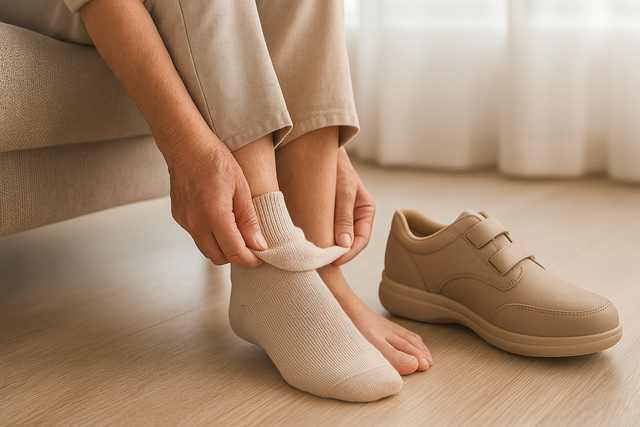

Managing diabetes goes beyond monitoring blood sugar levels; it also involves taking extra care of your feet. Poor circulation and nerve damage are common complications that can lead to discomfort, infections, or more serious issues if ignored. This is why diabetic socks have become an essential part of daily foot care for diabetics, offering both protection and comfort.
Why Foot Care Matters in Diabetes
People living with diabetes are at a higher risk of developing foot-related problems due to reduced blood flow and nerve sensitivity. Even minor cuts, blisters, or pressure points can go unnoticed and worsen over time.
This makes preventive care critical. Wearing regular socks that are too tight or have rough seams can restrict blood flow and cause irritation. In contrast, compression socks for diabetes are specifically designed to minimize these risks and promote healthier feet.
What Makes Diabetic Socks Different?
Unlike standard socks, diabetic socks are made with features that prioritize comfort and safety. They are typically seamless to prevent friction and have a non-binding top that improves circulation improvement without restricting blood flow.
Many also include moisture-wicking fabrics to keep feet dry, reducing the chances of fungal infections. The cushioning in these socks helps protect sensitive areas, making them ideal for individuals dealing with long-term diabetes or early symptoms of foot discomfort.
Benefits of Wearing Diabetic Socks Daily
Incorporating diabetic socks into your routine can provide several advantages. First, they help maintain proper blood circulation, which is essential for healing and overall foot health. Second, they reduce pressure points that can lead to sores or ulcers.
For individuals who spend long hours standing or walking, these socks offer additional comfort and support. They are also beneficial during travel or extended periods of inactivity, where poor circulation can become a concern.
Who Should Use Diabetic Socks?
While they are designed for people with diabetes, these socks can also benefit anyone experiencing poor circulation, swelling, or sensitive skin. They are especially useful for older adults and individuals recovering from injuries.
In cases where mobility is limited, combining proper foot care with supportive tools becomes even more important. For example, individuals facing difficulty in movement can benefit from mobility aids that reduce pressure on the feet and improve overall safety.
To understand how mobility solutions can complement daily care, read our guide on Mobility Aids for Elderly Patients: Enhancing Independence and Safety.
Tips for Better Foot Health
In addition to wearing diabetic socks, maintaining good hygiene is crucial. Wash and dry your feet thoroughly, inspect them regularly for any signs of irritation, and choose footwear that fits well.
Avoid walking barefoot, as it increases the risk of injury. If you notice persistent pain or swelling, it’s advisable to seek medical guidance before the condition worsens.
Conclusion
Foot care should never be overlooked, especially when managing diabetes. Simple changes like switching to diabetic socks can make a significant difference in preventing complications and improving daily comfort.
Vissco Next offers a range of thoughtfully designed solutions that support better circulation, enhanced comfort, and overall foot health; helping you take confident steps toward a healthier lifestyle.