

Factories run on power. Every machine, conveyor belt, and automated system depends on electricity to keep production moving. Most of the time, this electrical network works flawlessly in the background. As a result workers can focus on operations while machines run continuously without interruption. However, when an electrical fault occurs, the consequences can be serious.
Electrical leakage, damaged wiring, or faulty equipment can expose workers to shock hazards and increase the risk of fires. This is why modern factories rely on reliable circuit protection devices such as RCCB, MCB, and MCCB, supported by well-organized distribution boards. These devices help detect faults early and reduce electrical risks across industrial facilities.
Understanding Electrical Leakage in Industrial Environments
Electrical leakage happens when current flows outside its intended path. In factories, this can occur due to worn insulation, moisture, damaged cables, or malfunctioning equipment. Even a small leakage current can create dangerous situations for workers.
Without proper protection, leakage current can lead to electrical shocks, equipment failure, or fire hazards. Detecting and controlling these faults quickly is essential for maintaining a safe workplace.
How RCCB Protects Workers and Equipment
An RCCB (Residual Current Circuit Breaker) monitors the balance between the live and neutral currents in a circuit. When the device detects an imbalance, it indicates that electricity is leaking somewhere in the system.
The RCCB immediately disconnects the power supply to prevent harm. This quick action significantly reduces the risk of electric shock and protects workers who operate or maintain industrial equipment.
RCCB protection is especially important in areas where workers interact directly with machinery or electrical panels.
Supporting Protection with MCB and MCCB
While RCCB focuses on leakage detection, factories also require protection against overloads and short circuits. This is where MCB and MCCB devices play an important role.
An MCB protects smaller electrical circuits such as lighting systems and control panels. It automatically cuts the power when current levels become unsafe.
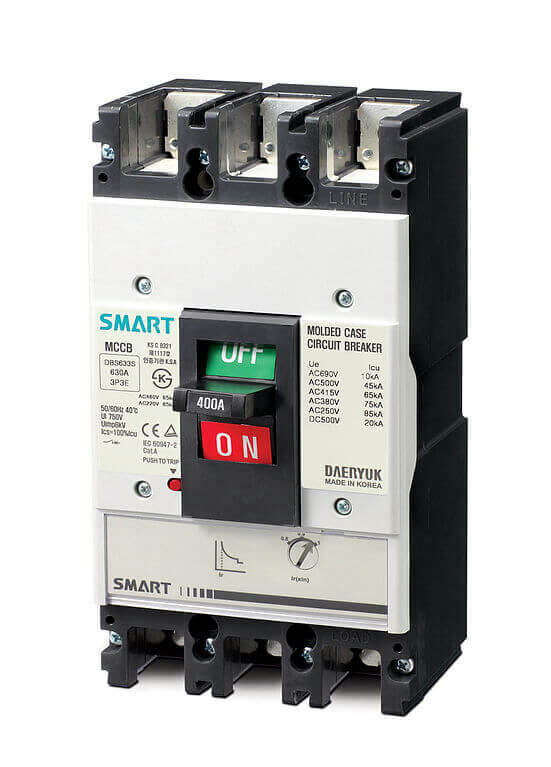
For larger electrical loads, industries rely on MCCB solutions. MCCBs protect heavy machinery, motors, and high-capacity circuits. Advanced devices such as Optimum MCCB provide reliable protection in demanding industrial environments where consistent performance is critical.
Importance of Distribution Boards in Industrial Safety
All these protective devices function together through well-designed distribution boards. These boards act as the central hub for managing electrical circuits within a factory.
A properly structured distribution board allows engineers to monitor circuits, isolate faults, and maintain electrical systems efficiently. It also helps balance electrical loads across different sections of the facility.
When factories combine RCCB protection with strong circuit breakers and organized distribution systems, they create a safer and more reliable electrical infrastructure.
Conclusion
Electrical safety plays a vital role in maintaining smooth factory operations. Reliable protection devices such as RCCB, MCB, MCCB, and advanced distribution boards help industries detect faults early and reduce electrical risks.
Trusted manufacturers like IndoAsian offer dependable electrical protection solutions, including RCCBs, MCBs, Optimum MCCBs, and distribution boards designed to support safer and more efficient industrial power systems.