
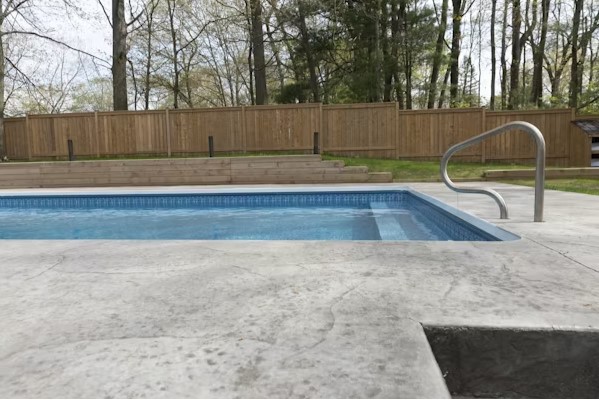

Fiberglass pools have become a popular choice for homeowners due to their smooth finish, durability, and relatively quick installation process compared to traditional concrete pools. However, despite their prefabricated nature, installing a fiberglass pool is not a simple do-it-yourself task.
The process requires careful planning, technical knowledge, and specialised equipment to ensure long-term performance and structural stability. Pool contractors play a crucial role in managing these requirements, ensuring that the installation is completed safely, correctly, and in line with engineering standards. Their expertise helps prevent costly mistakes and ensures the pool performs as intended for many years.
Proper Site Assessment and Preparation
One of the most important stages of fiberglass pool installation is site assessment and preparation. Pool contractors evaluate soil conditions, drainage patterns, accessibility, and ground stability before any excavation begins. These factors determine whether the location is suitable for installation and what preparation work is required.
Without proper assessment, issues such as ground shifting, poor drainage, or uneven support can lead to long-term structural problems. Contractors ensure that the ground is excavated to precise measurements and properly levelled to support the fiberglass shell. This level of preparation is essential for maintaining the structural integrity of the pool over time.
Expert Handling and Installation of the Shell
Fiberglass pool shells are manufactured off-site and delivered as a single preformed unit. While this simplifies part of the process, it also introduces logistical challenges during transport and placement. Pool contractors use specialised equipment such as cranes and lifting machinery to position the shell accurately within the excavation site.
Correct placement is critical because even small misalignments can affect water levels, plumbing connections, and long-term stability. Contractors ensure that the shell is properly aligned, levelled, and supported before backfilling begins. Their experience reduces the risk of damage during installation and ensures that the pool is structurally sound from the beginning.
Plumbing and System Integration
A fiberglass pool requires integration with filtration systems, drainage lines, and circulation pumps. Pool contractors are responsible for installing and connecting these systems correctly to ensure proper water flow and cleanliness. Incorrect plumbing installation can lead to leaks, poor circulation, or inefficient filtration, all of which affect the performance of the pool.
Contractors ensure that pipes are correctly sealed, pumps are properly calibrated, and filtration systems are functioning efficiently. This technical expertise ensures that the pool operates safely and requires less maintenance over time. Proper system integration also helps maintain water quality and reduces long-term operational costs.
Preventing Structural and Installation Errors
Although fiberglass pools are durable, improper installation can lead to serious issues such as shell movement, cracking, or water imbalance. Pool contractors are trained to prevent these problems by following precise installation procedures. They ensure that the backfilling process is done gradually and evenly to support the structure without causing pressure imbalances.
Attention to detail during installation is essential for long-term durability. Contractors also monitor drainage systems around the pool to prevent water buildup that could compromise the foundation. Their oversight significantly reduces the risk of future structural damage.
Long-Term Maintenance Guidance
Pool contractors do more than install the pool; they also provide valuable guidance on maintenance and care. This includes advice on water chemistry, cleaning routines, equipment servicing, and seasonal preparation. Proper maintenance ensures that the fiberglass surface remains in good condition and that the system continues operating efficiently.
Having professional support during and after installation gives homeowners confidence that their pool will remain safe, functional, and visually appealing over time.